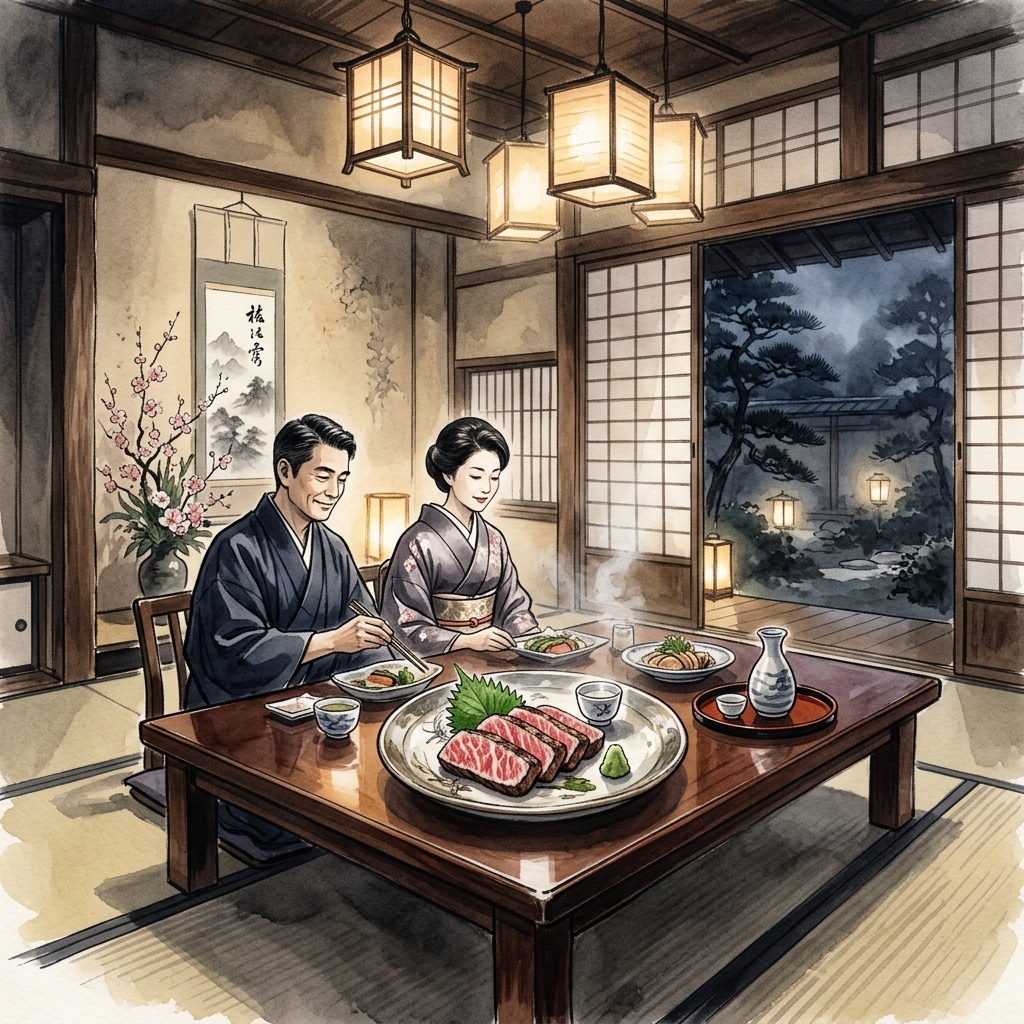
In the small town of Arita in Saga Prefecture, Kyushu, potters have been creating porcelain for over 400 years. What began in 1616 when Korean potter Yi Sam-pyeong discovered high-quality kaolin clay in the Izumiyama quarry has evolved into one of Japan's most enduring and influential craft traditions.
Today, Arita-yaki is experiencing a renaissance — sought after by Michelin-starred restaurants, luxury hotels, and design-conscious retailers worldwide. Here's everything you need to know about sourcing authentic Arita porcelain.
What Makes Arita-yaki Special
The Clay
Arita porcelain uses amakusa stone — a translucent-white porcelain stone that, when fired at 1,300°C, produces ceramics with a distinctive luminous quality. The stone's high silica content creates pieces that are surprisingly strong despite their delicate appearance.
The Firing
Traditional Arita kilns fire at 1,280–1,350°C — among the highest temperatures in Japanese ceramics. This creates an exceptionally hard, non-porous surface that's safe for food contact, microwave-safe, and remarkably durable for daily use.
The Decoration
Arita-yaki encompasses several distinct decorative styles:
| Style | Japanese Name | Characteristics | Market Position |
|---|---|---|---|
| Hakuji | 白磁 | Pure white porcelain, no decoration | Modern minimalist, high-end restaurants |
| Sometsuke | 染付 | Blue-and-white, cobalt underglaze | Classic, widely recognized |
| Iro-e | 色絵 | Multicolor overglaze enamels | Luxury, collector's market |
| Kinrande | 金襴手 | Gold-decorated overglaze | Ultra-premium, ceremonial |
Arita-yaki vs Other Japanese Ceramics
Japan has many ceramic traditions. Here's how Arita compares:
| Ceramic | Region | Material | Character |
|---|---|---|---|
| Arita-yaki | Saga | Porcelain (磁器) | Refined, translucent, precise |
| Hasami-yaki | Nagasaki | Porcelain | Casual, affordable, everyday |
| Mashiko-yaki | Tochigi | Stoneware (陶器) | Rustic, earthy, folk craft |
| Bizen-yaki | Okayama | Stoneware | Unglazed, wood-fired, primal |
| Kutani-yaki | Ishikawa | Porcelain | Bold, colorful, dramatic |
For restaurants seeking elegant, food-safe, durable tableware, Arita porcelain is the gold standard. Its clean lines and subtle beauty enhance food presentation without competing with the cuisine.
The Modern Arita Renaissance
In 2016, Arita celebrated its 400th anniversary with a landmark project: 2016/ — a collaboration between 16 Arita kilns and European designers from the Netherlands. This project brought Arita to the attention of the global design community and sparked a new wave of interest.
Today's Arita producers blend tradition with innovation:
- 1616/arita japan — Minimalist designs by Scholten & Baijings, popular in luxury retail
- Kihara — Contemporary lifestyle collections that bridge Japanese and Western aesthetics
- Fukagawa Seiji — Imperial supplier since 1894, traditional masterwork
- Koransha — Founded 1689, blending heritage with modern functionality
- Gen-emon — Hand-painted Iro-e pieces that are functional art
Source Arita-yaki for Your Business
From minimalist plates for your restaurant to curated collections for your retail store — we work directly with Arita kilns in Saga Prefecture.
Request Catalog →Sourcing Guide for International Buyers
For Restaurants
When selecting tableware for your restaurant, consider:
- Stackability — Arita plates are designed for commercial kitchen storage. Ask about stacking height.
- Dishwasher safety — Most modern Arita-yaki is commercial dishwasher safe, but gold-decorated pieces require hand washing.
- Replacement availability — Choose patterns that are in continuous production, not limited editions, so you can reorder as pieces break.
- Size and shape — Japanese plate sizes differ from Western standards. Request exact dimensions and test with your plating style before bulk ordering.
For Retailers
- Tell the story — Arita porcelain sells on heritage and craft. Include maker information and kiln history with every product.
- Start with bestsellers — White porcelain and blue-and-white sometsuke have the broadest appeal.
- Gift packaging — Japanese presentation matters. Request kiri-bako (paulownia wood boxes) for premium pieces.
Shipping Considerations
Porcelain is fragile. Quality suppliers will:
- Wrap each piece individually in soft paper
- Use double-walled corrugated cartons
- Fill void space with cushioning material
- Mark packages clearly as FRAGILE
- Offer insurance for transit damage
At WAGYU NINJA, our breakage rate for porcelain shipments is under 1%, thanks to our specialized packing methods developed over years of shipping experience.
Pricing Expectations
Arita-yaki pricing varies enormously based on kiln, technique, and size:
| Category | Example | Price Range (per piece) |
|---|---|---|
| Contemporary basic | Simple white plate, 24cm | ¥1,500–¥3,000 |
| Mid-range decorated | Sometsuke bowl, 15cm | ¥3,000–¥8,000 |
| Premium artisan | Hand-painted Iro-e plate | ¥8,000–¥30,000 |
| Master craftsman | Living National Treasure work | ¥50,000+ |
Volume discounts are available for restaurant orders (typically 10–15% for 50+ pieces of the same design).

Karen Hashimoto
Curator & Export Compliance Director · WAGYU NINJA
Karen sources directly from Japanese producers and handles export compliance for B2B buyers in 50+ countries. Based in Fukuoka, Japan. @konnichiwa.karen